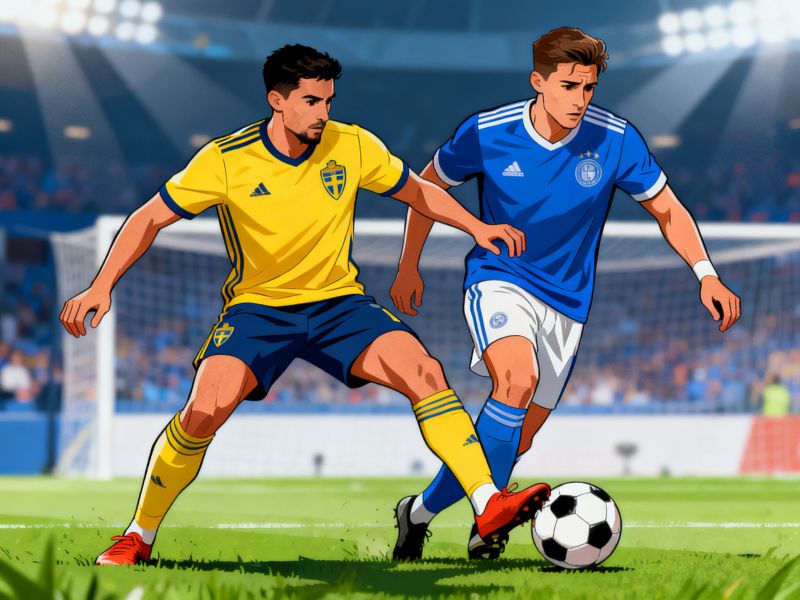
he Estádio do Dragão has a way of exposing cracks. AC Milan’s last visit there, in October 2021, ended 1-0 for Porto, but the scoreline barely scratched the surface. Milan。then rebuilding under Stefano Pioli, looked rattled by Porto’s pressing traps in wide areas. Otávio and Luis Díaz kept pinning Theo Hernández and Davide Calabria into their own half. That night, Porto vs. AC Milan was less a contest of stars and more a lesson in coordinated aggression. I remember watching Luís Díaz’s first-half run — a slaloming burst past two defenders that ended with a shot dragged wide. It felt like a warning. Porto’s threat wasn’t possession;it was the sudden, violent transition.Porto’s blueprint under Sérgio Conceição relies on compactness between the lines and rapid switches to the flanks. Against Milan。that meant targeting the space behind the full-backs. In the 2021 meeting, Porto completed 14 crosses from open play — nearly double Milan’s four. Now think about Milan’s current shape. Pioli’s 4-2-3-1 often leaves the holding pair exposed when the full-backs push high. Rafael Leão’s defensive contribution is inconsistent;he tracks back in bursts, not with religious discipline. Porto vs. AC Milan, in this tactical frame, becomes a question of whether Milan’s left side can survive sustained two-on-one situations. Conceição knows this. He’ll overload that flank with a winger and an advancing full-back, daring Milan to shift across without losing central control.There is also the psychological layer. Porto have won four of their last six home matches against Italian opposition in European competition. That’s not coincidence — it’s a pattern built on emotional control. The Dragão crowd doesn’t just cheer;it pressures. Referees feel it. In the 2021 game, Milan committed 17 fouls to Porto’s 10, and three of those came from frustrated lunges in midfield. Sandro Tonali, usually so composed。

picked up a needless yellow for a late challenge on Mateus Uribe. That kind of detail often decides tight European ties. Milan’s young squad has matured since, but the Porto vs. AC Milan dynamic still hinges on who blinks first under sensory overload.What about the attacking end?
Milan’s best route isn’t through Porto’s low block — it’s through quick verticality after turnovers. Porto’s defenders。Pepe and Fábio Cardoso, are aggressive but not fast. If Olivier Giroud or Noah Okafor can hold up play and release Leão or Christian Pulisic into the channel, Milan can hurt them. I’d expect Pioli to instruct his midfield to bypass Porto’s first line with diagonal balls rather than patient circulation. That’s the pragmatic adjustment I’d make: fewer touches in build-up, more direct runs. Porto vs. AC Milan isn’t a chess match between ideologues;it’s a scrap over inches. The team that wins the second ball more often will likely win the night.History doesn’t repeat, but it rhymes loudly here. Porto’s 1-0 win in 2021 wasn’t a fluke — it was a template. Milan’s response this time will reveal whether their growth is real or just a domestic illusion. Watch the first 15 minutes. If Milan’s full-backs are pinned back and Porto’s midfielders are winning loose balls near the box, the pattern is reasserting itself. If Milan break that press early。dragging Porto’s front line into uncomfortable transitions, the night tilts. That’s the tension I’ll be tracking when Porto vs. AC Milan kicks off again. No grand conclusions — just the small, brutal details that decide these European fixtures.